2 September 2026
When the morning headline rewrites a lower high
A lower high can survive a friendly morning. The note has to be written so the headline has somewhere to sit that is not on top of the swing.
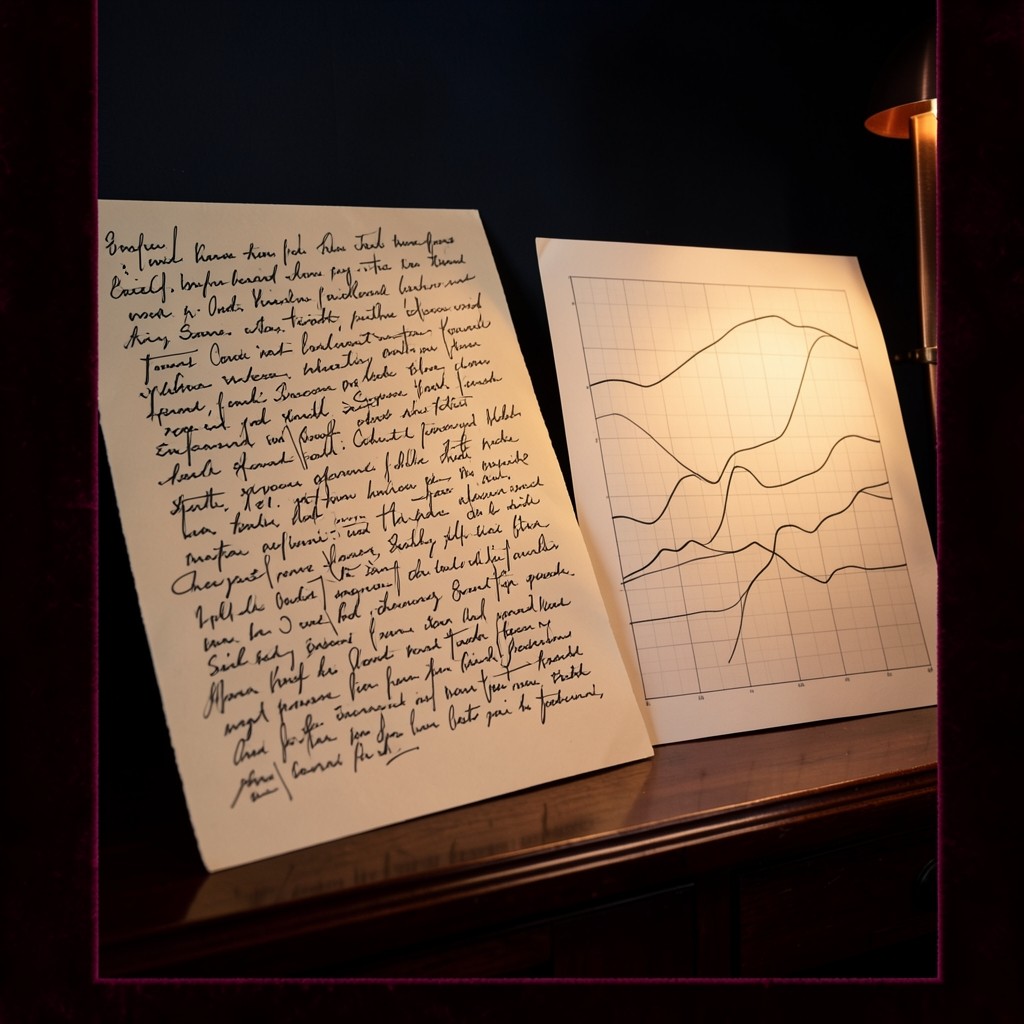
Students in the Changwon room often arrive with the same injury. A weekly chart made a lower high on Friday. By Monday morning a headline about orders, a policy hint, or a cheerful television segment has talked them into moving the mark. The technical context did not change. The market sentiment did, and the two got stored in the same sentence.
The fix we use is dull on purpose. The sentiment sentence lives on the left page. The swing marks live on the right. The headline may be copied, with its date and source, under the sentiment sentence. It is not allowed to edit the right page until the cash session has closed and the bar is finished.
This is awkward the first week. People who follow Samsung Electronics or the large banks know how loud a morning can be in Seoul. The point of the split page is not to ignore the noise. It is to stop the noise from holding the pencil.
If you try this for one name only, pick a name you already over-read. Write the mood in ordinary language: eager, defensive, bored. Then mark the last two swing highs and ask which one is still the higher. If the later one is lower, leave it lower. You can be wrong later. You cannot see the disagreement if the headline has already been promoted into a new high.
In week four of the Context Reading Studio this is the entire evening. Visitors who only attend the Thursday briefing see a smaller version: any after-hours line goes on a side slip, and the week's structure stays dated to the close.